
Air Conditioning Guide: Essentials for Your Home
When it comes to maintaining comfort in our homes, especially in regions with varying seasonal temperatures, having a reliable cooling system is essential. We understand the importance of a well-functioning cooling system that keeps indoor spaces comfortable without compromising energy efficiency or safety. This guide will walk you through the key essentials for setting up and maintaining an effective cooling system in your home.
Understanding the Basics of Cooling Systems
Before diving into specific recommendations, it’s important to understand how cooling systems work. A cooling system removes heat from inside your home and transfers it outside, lowering indoor temperatures. This process involves several components working together:
Compressor: Pressurizes refrigerant and circulates it through the system.
Condenser coil: Releases heat from the refrigerant to the outside air.
Evaporator coil: Absorbs heat from indoor air.
Air handler or blower: Circulates cooled air throughout your home.
Knowing these parts helps us appreciate the importance of regular maintenance and timely repairs. Proper care ensures the system runs efficiently and lasts longer.
Your Air Conditioning Guide: Choosing and Maintaining Your System
Selecting the right cooling system depends on your home’s size, layout, and insulation quality. Here are some practical tips to guide your decision:
Assess your home’s cooling load: Calculate the amount of cooling needed based on square footage, window placement, and insulation.
Choose the right type of system: Options include central air conditioners, ductless mini-splits, and window units. Central systems are ideal for larger homes, while mini-splits offer flexibility for specific rooms.
Consider energy efficiency: Look for units with a high Seasonal Energy Efficiency Ratio (SEER) rating to reduce electricity costs.
Schedule regular maintenance: Clean or replace filters every 1-3 months, inspect coils, and check refrigerant levels annually.
Seal and insulate ducts: Prevent cool air loss by ensuring ducts are properly sealed and insulated.
By following these steps, we can ensure our cooling system operates smoothly and keeps our homes comfortable during warmer months.

Which Air Conditioner is Best in Canada?
Choosing the best air conditioner in Canada requires considering the unique climate and energy costs. Canadian homes often face hot summers and cold winters, so a system that can handle both efficiently is ideal.
Heat pumps: These units provide both heating and cooling, making them a versatile choice for Canadian homes. They are energy-efficient and reduce the need for separate heating systems.
Central air conditioners: Suitable for larger homes with existing ductwork. Look for models with Energy Star certification to ensure efficiency.
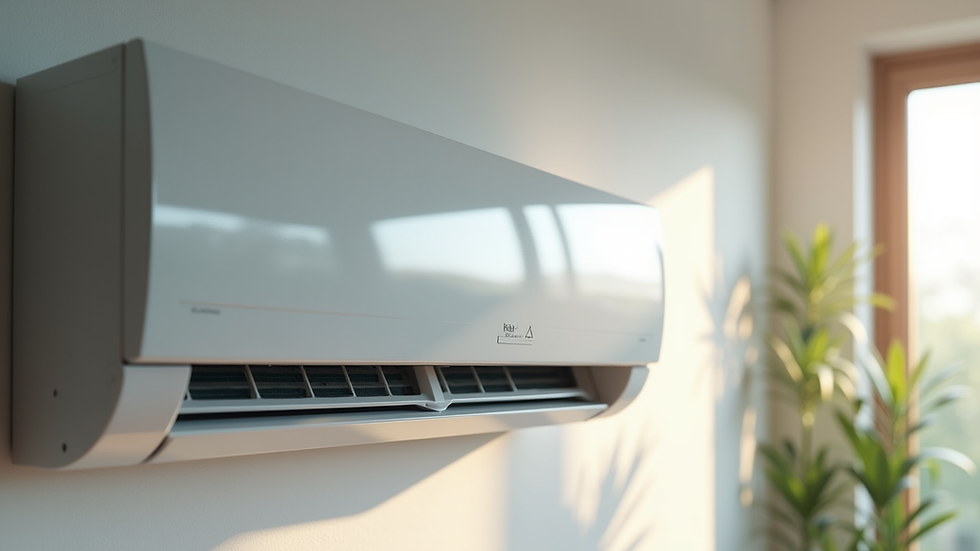
Ductless mini-split systems: Great for homes without ductwork or for cooling specific areas. They offer flexibility and can be more cost-effective for smaller spaces.
When selecting a unit, consider the local climate, your home’s insulation, and your budget. Consulting with a professional can help tailor the choice to your specific needs.
Installation and Professional Support
Proper installation is critical to the performance and longevity of your cooling system. Incorrect installation can lead to inefficiency, higher energy bills, and frequent breakdowns. Here’s what to keep in mind:
Hire certified professionals: Ensure the installer is licensed and experienced with the type of system you choose.
Follow manufacturer guidelines: Proper sizing, placement, and setup are essential.
Check refrigerant levels: Incorrect refrigerant charge can reduce efficiency and damage the compressor.
Ensure proper airflow: Clear obstructions around outdoor units and maintain clean filters indoors.
Professional installation also includes testing the system to confirm it operates correctly and safely. Regular inspections and tune-ups help catch issues early and extend the system’s life.
Energy Efficiency and Cost Savings
Energy efficiency is a top priority when managing home cooling. Efficient systems reduce environmental impact and lower utility bills. Here are some strategies to maximize efficiency:
Use programmable thermostats: Set temperatures to adjust automatically when you’re away or asleep.
Seal windows and doors: Prevent cool air from escaping and warm air from entering.
Use ceiling fans: They help circulate air and reduce the need for lower thermostat settings.
Shade outdoor units: Protecting the condenser from direct sunlight improves performance.
Upgrade insulation: Well-insulated homes retain cool air better.
By combining these measures with a well-maintained cooling system, we can enjoy comfort without excessive energy costs.
Keeping Your Cooling System Safe and Reliable
Safety is as important as comfort. Cooling systems involve electrical components and refrigerants that require careful handling. To keep your system safe:
Schedule annual safety inspections: Professionals can identify potential hazards.
Replace worn or damaged parts promptly: Avoid risks of electrical shorts or refrigerant leaks.
Keep the area around outdoor units clear: Remove debris, plants, and snow buildup.
Educate household members: Ensure everyone knows how to operate the system safely.
Regular attention to safety helps prevent emergencies and ensures your cooling system remains a reliable part of your home.
Preparing for Seasonal Changes
In regions with distinct seasons, preparing your cooling system for seasonal changes is essential. Here’s how to get ready:
Spring: Clean or replace filters, inspect coils, and test the system before the heat arrives.
Summer: Monitor performance and keep outdoor units free of debris.
Fall: Schedule a professional tune-up and consider switching to heating mode if you have a heat pump.
Winter: Protect outdoor units from snow and ice, and turn off the system if not in use.
Seasonal preparation extends the life of your system and ensures it performs when you need it most.
By understanding these essentials, we can confidently manage our home cooling systems. Proper selection, installation, maintenance, and safety practices ensure lasting comfort and efficiency. For those seeking expert support, partnering with a trusted local service provider guarantees peace of mind and reliable performance throughout the year.
For more detailed information on air conditioning, visit the Heart Mountain Mechanical website.


